Why stores need different SEO
A service business needs a handful of strong pages. A store has hundreds or thousands, and most of them are nearly identical: the same template, a different photo, a different size. That creates problems ordinary SEO does not have:
- Filters and sort options that create thousands of duplicate URLs
- Thin product pages with one line of copied text
- Out-of-stock products that disappear and leave broken links
- Category pages with no text, which Google struggles to rank
What we work on
Category pages first
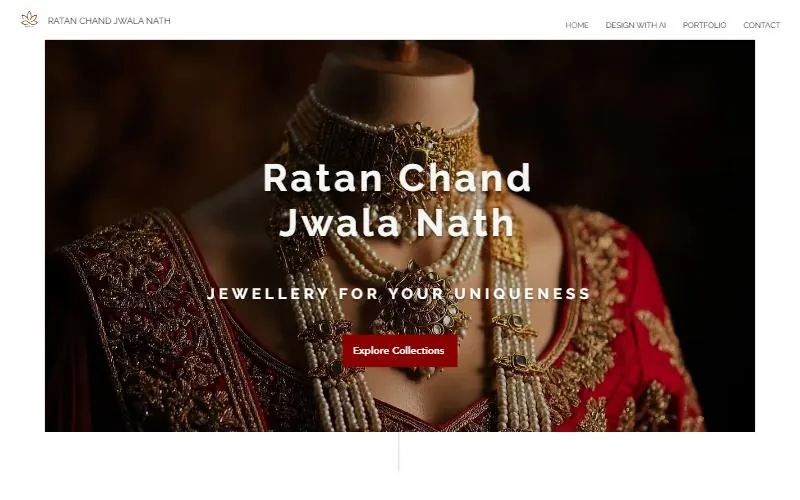
Category pages target the searches people make when they are ready to buy, such as "ethnic wear for women online" or "stainless steel bolts M10". We give each important category a short, useful introduction, clean filters and internal links from related categories.
Product pages Google understands
Every product gets Product structured data with price, availability, brand and reviews where they genuinely exist, plus a unique title and description. This is what feeds Google's product results and free listings.
Filters and duplicates
We decide which filtered pages deserve to be indexed (a colour customers really search for) and which should not (sort by price), then set canonicals and crawl rules so Google spends its time on the pages that matter.
Speed on a phone
Store templates are heavy. We compress images, remove apps nobody uses and delay chat and tracking scripts until a visitor interacts, so the first product photo appears quickly.
Merchant Center
Free product listings in Google Shopping are one of the most overlooked sources of orders for small Indian stores. We set up and clean your product feed so your products can appear there at no cost.
Pricing and timeline
E-commerce SEO starts from ₹25,000 a month, depending on the number of products and how competitive your categories are. Expect product pages to start moving in 2 to 4 months and broader category terms in 4 to 8 months. If you do not have a store yet, see our e-commerce website package at ₹34,999.
Last reviewed 30 October 2026 by Rahul Sharma, founder of Seospidy.